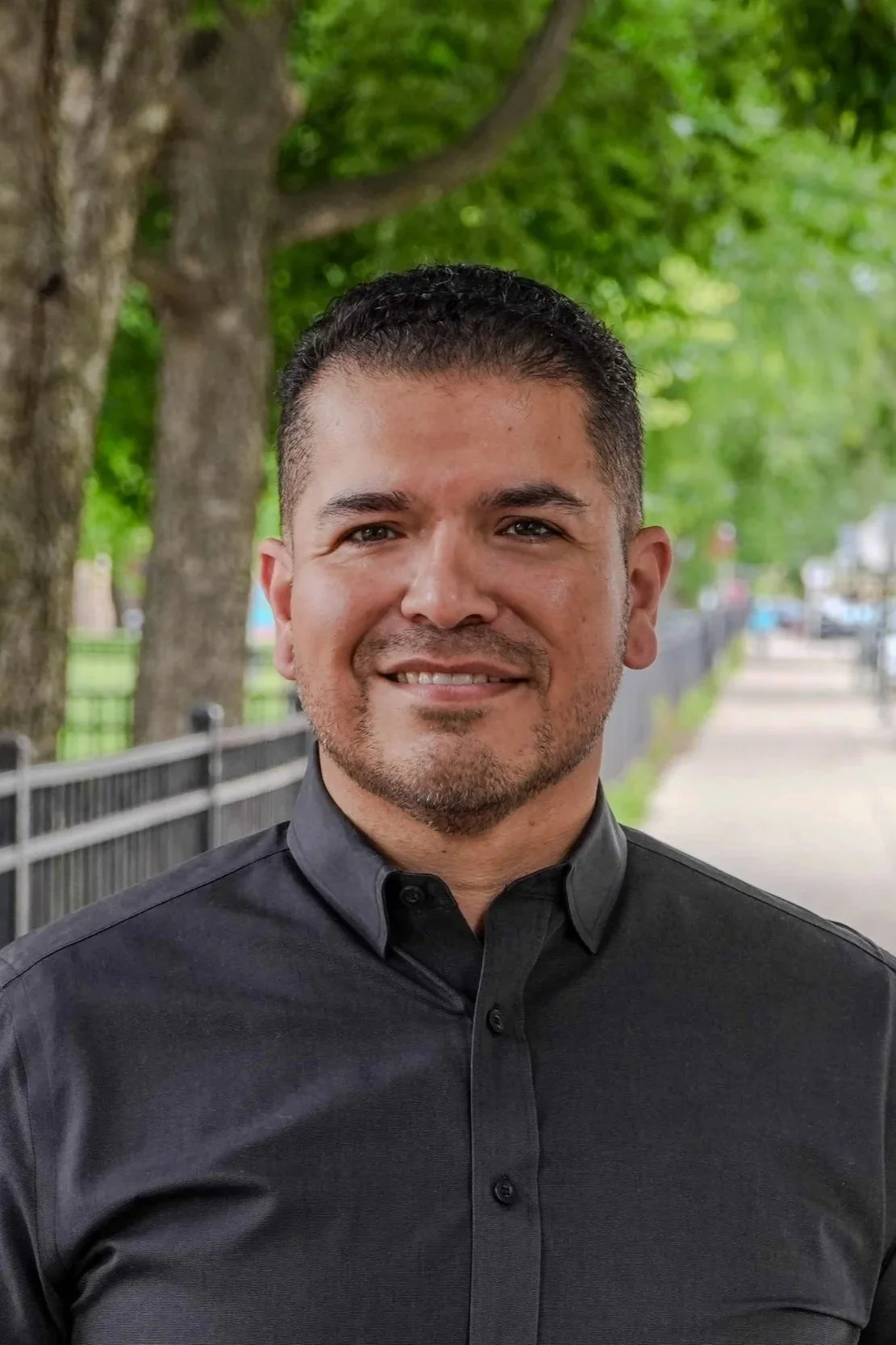
Miguel Chacón is a lifelong South Sider who believes every neighborhood deserves the opportunity to thrive. Raised in Little Village, he learned the values of hard work, perseverance, and community long before he ever considered public service.
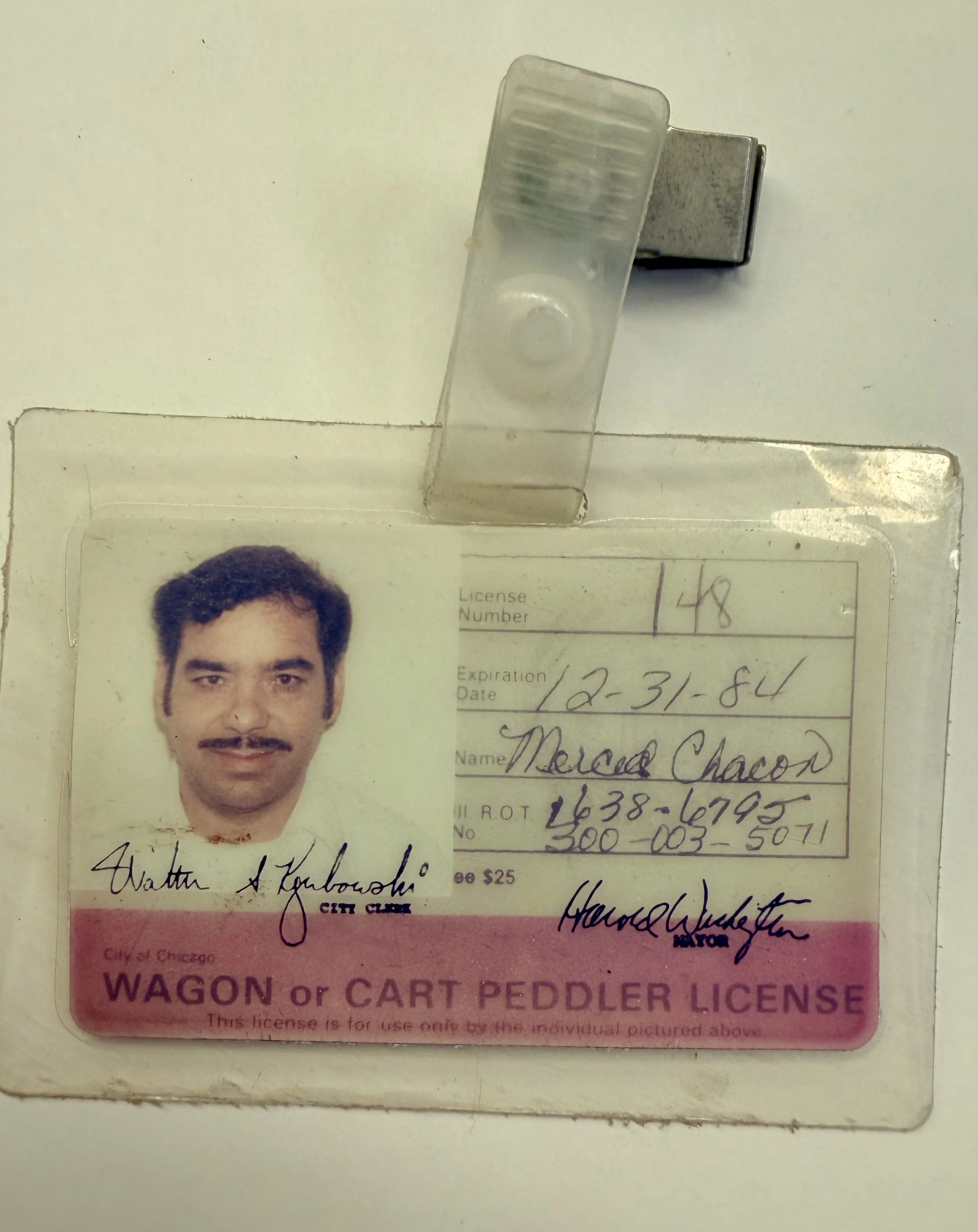
Miguel is the son of Mexican immigrant parents who faced many of the same challenges immigrant families still face today: working hard to provide for a growing family during difficult times. When jobs were scarce, his parents sold fruit and vegetables from the back of their pickup truck to make ends meet. Every summer, the entire family traveled to farms in Kankakee to hand-pick produce before bringing it back to sell on the streets of Chicago. It wasn't glamorous work, but it taught Miguel that there is dignity in hard work and that families succeed by helping one another.
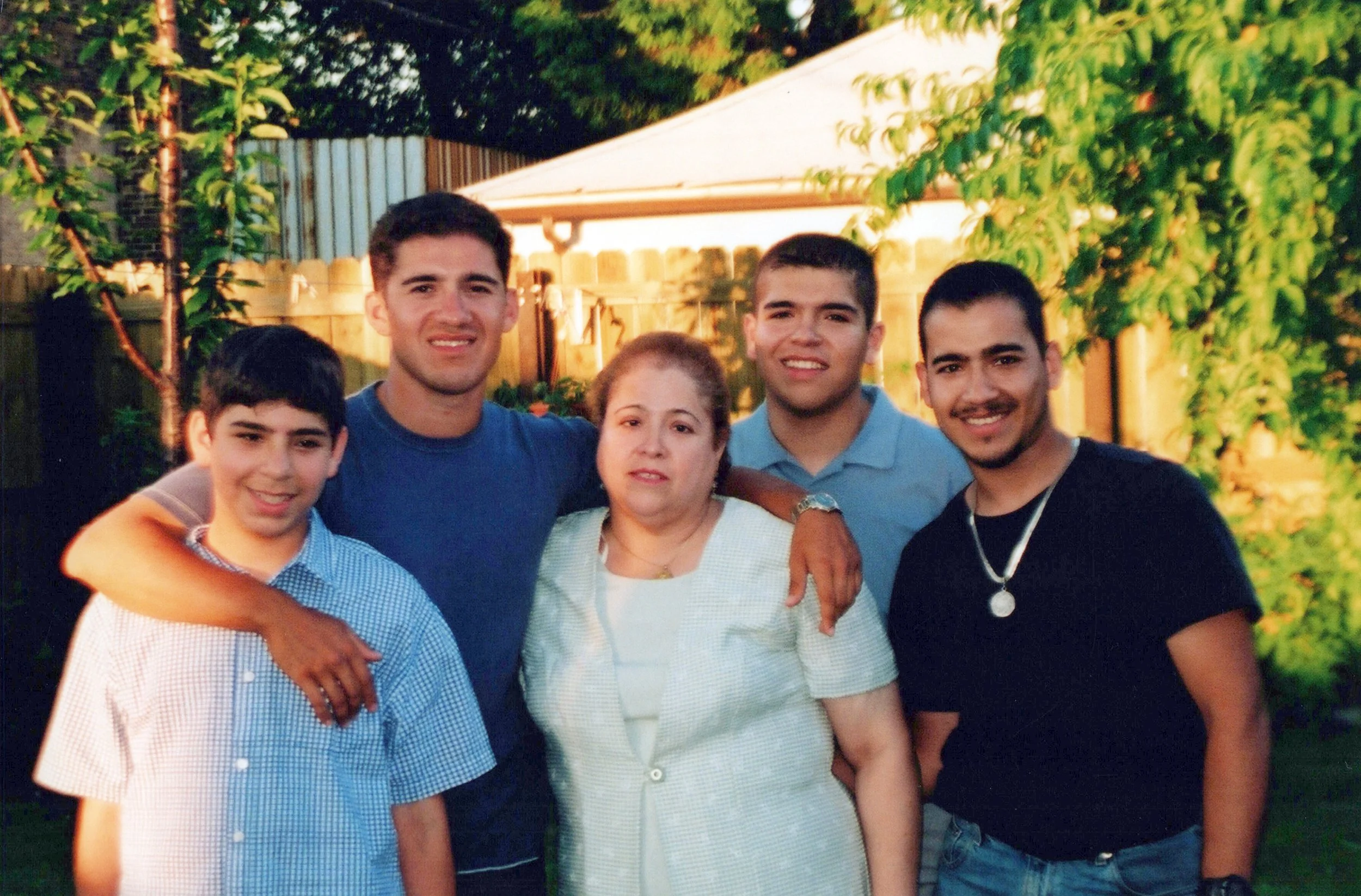
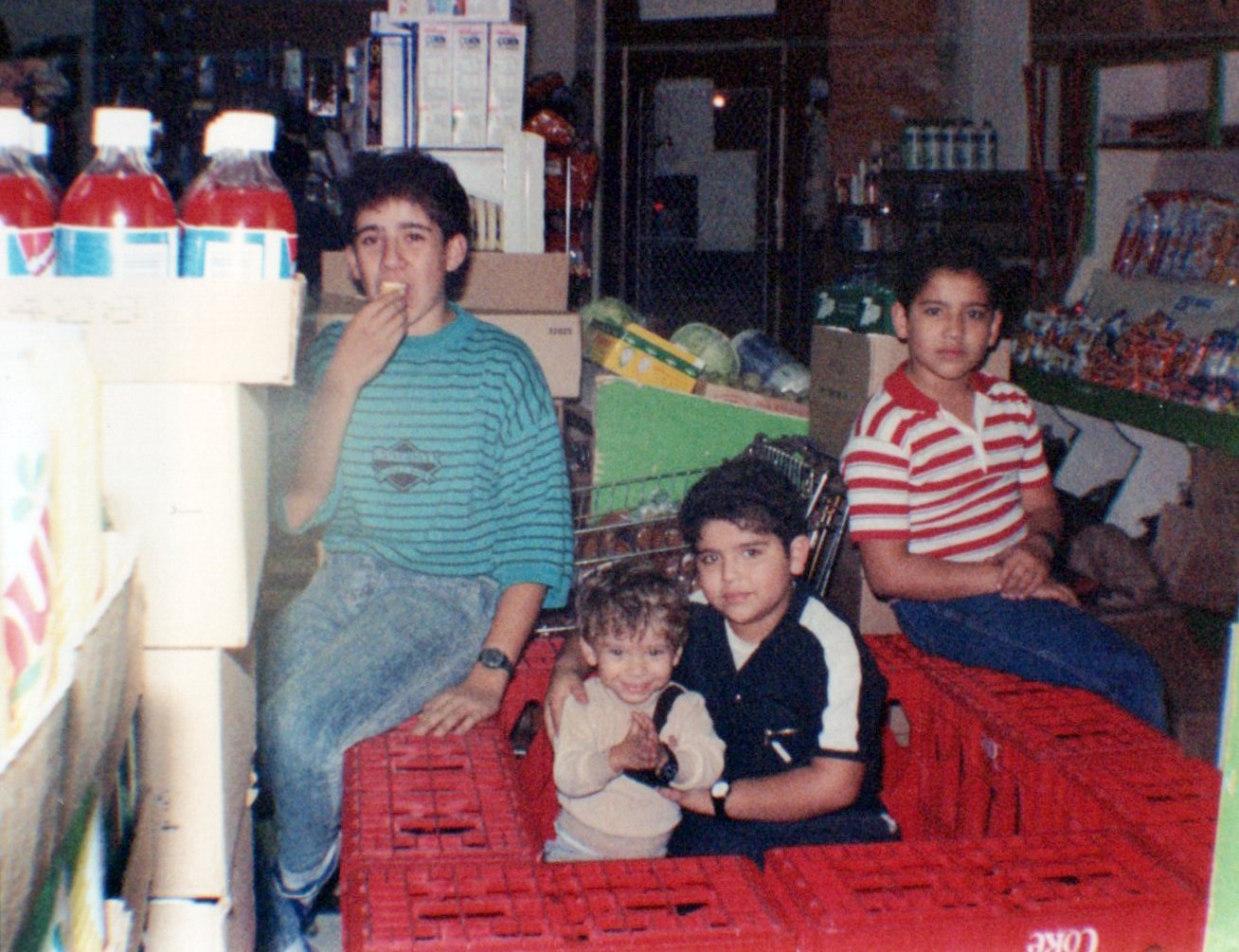
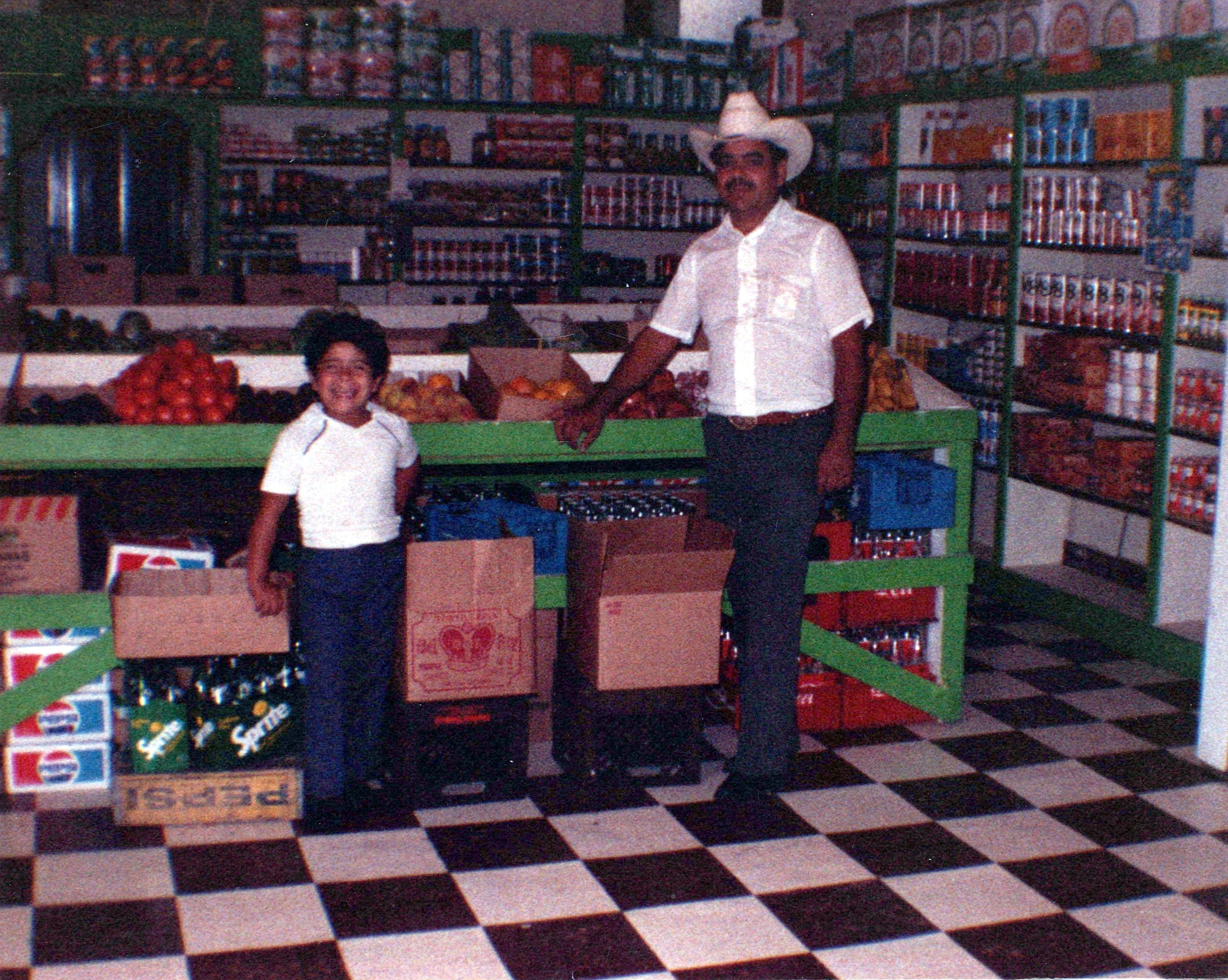
After years of sacrifice, his parents opened a small convenience store in Little Village, where Miguel and his three brothers spent much of their childhood behind the counter. It was there that he learned some of life's most important lessons: show up every day, treat people with respect, and earn your neighbors' trust.
That example shaped Miguel's career. For nearly twenty years, he has helped families buy and sell homes, advised small property owners, and worked to strengthen neighborhoods through responsible investment and redevelopment. As a licensed real estate broker, he has developed expertise in residential and investment sales, as well as neighborhood revitalization. Over the past two decades, he has acquired, renovated, and restored properties in the same community where he and his wife are raising their three children. Like his mother before him, Miguel believes being a housing provider means being a good neighbor first.
Miguel's work extends beyond real estate. He has become a leading advocate for expanding housing opportunities, preserving naturally occurring affordable housing, and helping more Chicagoans achieve homeownership and build generational wealth. He has testified before the Chicago City Council as a subject matter expert on expanding Chicago's Accessory Dwelling Unit (ADU) ordinance and has earned a reputation as a thoughtful voice on housing policy.
Miguel believes strong neighborhoods are built on safe streets, great schools, thriving small businesses, affordable housing, and leaders who listen, work hard, and deliver results – not just empty promises. His commitment to public service is rooted in gratitude for the sacrifices his parents made and a belief that every family deserves the same opportunity to build a better future in the neighborhood they call home.
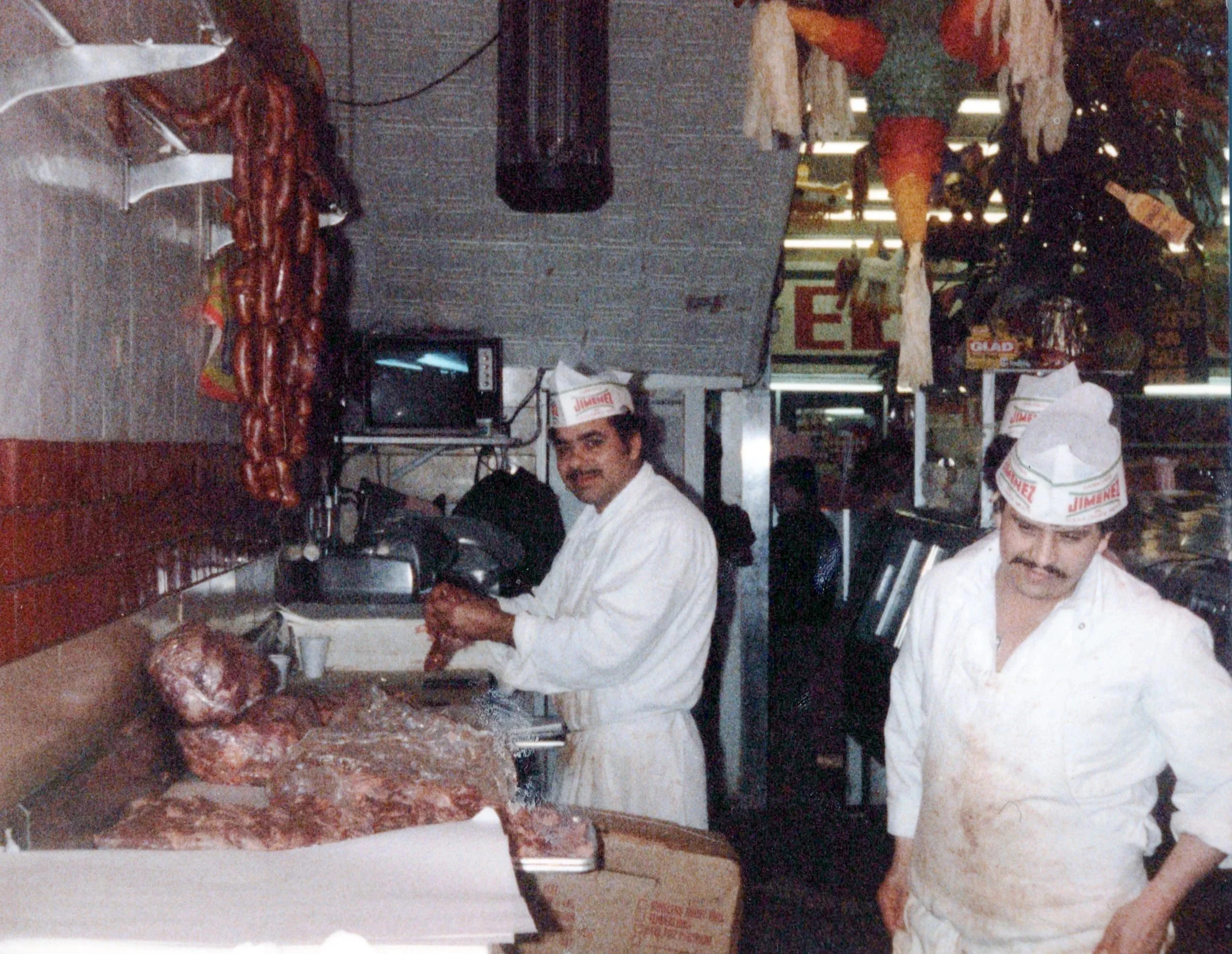
While his mother ran the family store, Miguel's father returned to full-time work as a union butcher in Fulton Market so the family could provide health insurance for Miguel's youngest brother, who was born with a serious heart condition. Every morning, he left home at 3 a.m. to work long days in a freezer, all to make sure his son could receive the medical care he needed. His parents' sacrifices instilled in Miguel a deep appreciation for hard work, humility, and the belief that every family deserves the opportunity to build a better life.
Although they worked tirelessly, Miguel's parents always believed education was the path to greater opportunity. A graduate of Chicago Public Schools, Miguel went on to earn a degree from the University of Illinois Chicago, where he studied political science, urban studies, and land economics. While completing his undergraduate studies, he also attended the London School of Economics, where he focused on economic development.
Miguel's passion for real estate came from his mother, who believed that investing in a home was one of the best ways for a family to build stability and create opportunity. She may not have known much about the stock market or retirement accounts, but she understood the value of owning property, and she encouraged neighbors to buy their first home. She was also a neighborhood housing provider herself and treated her tenants as neighbors—not just customers.